Small, Slow, Mindful: Routines That Shape the New Year
Starting a new year often comes with a rush of energy and a long list of goals. Yet, January can feel heavy and dark, making fresh starts seem daunting. What if instead of pushing hard right away, you embraced a slower, more mindful approach? Building small routines with intention can create lasting change. Like running at a steady pace, progress matters more than speed. This post explores how starting small with mindful habits can set a strong foundation for your year ahead.

The Power of Moving Slowly
When I began running years ago, I learned that no matter how slow I went, I was still moving forward. The goal was simple: don’t stop. No matter how slow I felt or how long it may have taken -- I just repeated to myself "don't stop." This mindset applies well to building habits. Progress is not about perfection or speed; it’s about consistency and resilience.
Slow progress allows you to:
Build habits that last instead of burning out quickly
Notice small wins that motivate you to continue
Adjust your routine based on what feels right for you
This approach removes pressure and invites patience, which is essential when starting new routines.
Why January Feels Hard for Fresh Starts
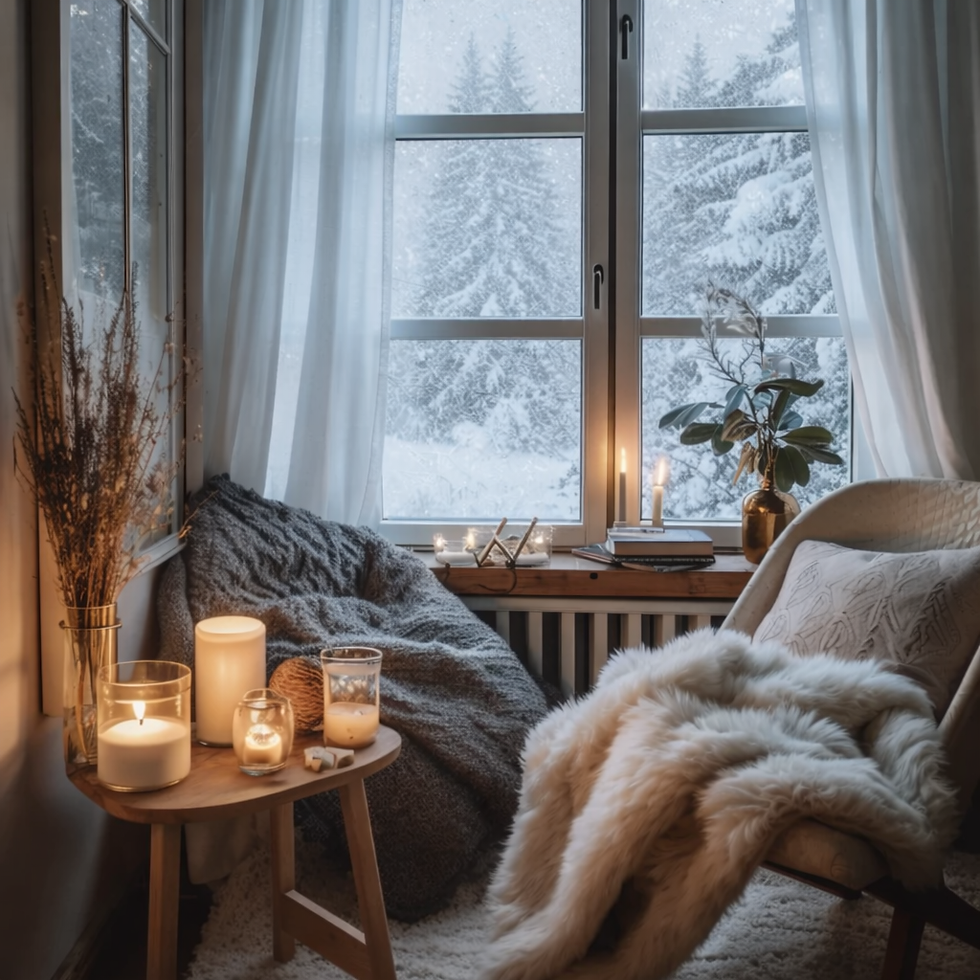
January is often cold, dark, and quiet. The world seems to be sleeping, and motivation can feel low. This environment makes it challenging to set big goals or expect rapid change. Instead of forcing a dramatic reset, January is a perfect time to focus on small, mindful routines that prepare you for bigger intentions later.
Think of January as a time to:
Reframe your mindset
Build gentle habits that support well-being
Create space for reflection and intention
By the time spring arrives and nature begins to awaken, you will have momentum from these small successes to tackle the larger goals.
My Morning Routine: An Approach to Mindful Beginnings
Four years ago, I started a morning routine that helps me set the tone for the day. I wake up 30 to 45 minutes before my children and follow a simple sequence:
Coffee – A quiet moment to savor and reflect
Reading – A few pages from an educational or growth-oriented book
Yoga – A gentle practice to wake up my body and mind
Journaling – Writing my intentions, including:
Something I am grateful for
An affirmation to guide my mindset
Three achievable tasks for the day
This routine is not about doing everything perfectly but about creating a mindful pause before the day begins. It grounds me, builds focus, and reminds me to appreciate the present.
How to Start Your Own Mindful Routine
You don’t need to copy my routine exactly. The key is to start small and build gradually. Here are some tips to create your own mindful morning or daily routine:
Choose a short time frame you can realistically commit to, even 10 minutes
Pick activities that feel nourishing to you, such as stretching, reading, or journaling
Set simple intentions rather than overwhelming goals
Be flexible and allow your routine to evolve as you learn what works
Celebrate small wins to stay motivated
Remember, the goal is to keep moving forward, not to be perfect.
Mindfulness as a Practice and a Choice
Mindfulness is not a one-time achievement. It is a practice that requires ongoing effort and choice. Some days will feel easier than others. You might miss a day or feel distracted. That is normal. What matters is choosing to return to your routine and your intentions.
Practicing mindfulness helps you:
Stay present and reduce stress
Build awareness of your thoughts and feelings
Make conscious decisions aligned with your values
Over time, these benefits ripple into other areas of life, improving relationships, work, and overall well-being.
Building Momentum for the Year Ahead
Starting with small mindful routines in the quiet of January sets a foundation for bigger goals later. When spring arrives, you will have:
Confidence from consistent small wins
A clearer sense of your priorities
Energy and focus to pursue larger intentions
This slow, steady approach creates sustainable change rather than quick fixes that fade.


Comments